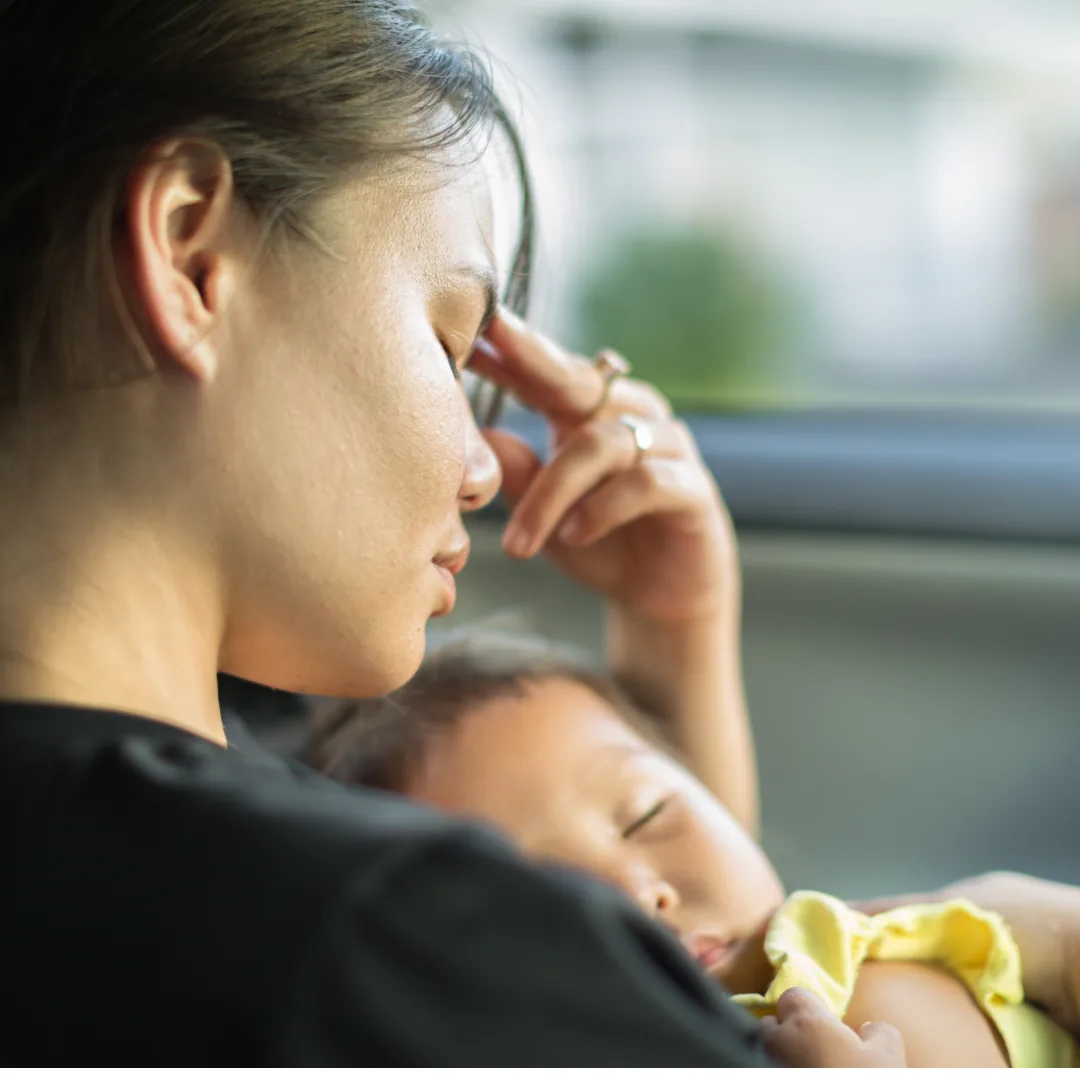
Are you in tune with your monthly cycle?
Did you know that hormone fluctuations can have a huge impact on your energy levels, hunger levels and motivation?
Post-ovulation and in the run up to your period, in the luteal phase, your oestrogen levels will start to fall as your progesterone rises. For most women, this is the most problematic part of the cycle. This is because progesterone has a "depressant" effect when compared to oestrogen and may lead to low energy and low mood.
When your period starts, your levels of oestrogen and progesterone are at their lowest. This is also known to cause a dip in energy and when many women experience cramps too.
This means for some, about 10 days of the month, every month can feel like you're dragging yourself through the day.
This isn't your cue to sack off your exercise routines – quite the opposite, its about having an awareness of your cycle and how it makes you feel and to adjust your routine accordingly.
Adjusting your training
Reduce the intensity of your workouts – knowing you're feeling tired and weak due to your cycle and not because you've somehow 'lost your fitness this week' can be empowering to know and making small adjustments can mean you still get your exercise fix and you don't feel like you failed at it.
That said, if you start your usual routine and are feeling too fatigued to continue then leave it this time and try something else – moderate intensity cardio such as an uphill treadmill walk, cycling or swimming may be more suited to your energy levels and you'll still feel like you've moved your body.
Iron and fatigue
Low iron levels during your period can also be a culprit for fatigue. During this time, try to increase your intake of iron rich foods.
Examples include:
- Lean beef
- Chicken
- Spinach
- Eggs
- Tofu
- Baked potatoes
- Cashews
- Fortified breakfast cereals
- Wholegrain bread
If you suffer from particularly heavy periods and find your fatigue is lasting longer than this or you feel unable to carry out your normal activities, speak to your GP as this could be a sign of iron deficiency anaemia.
Making the most of the good weeks
On the bright side, as your oestrogen levels rise towards the end of your period, during the follicular phase of your cycle, you should start to feel happier and more energised. When you approach ovulation, your oestrogen level will be at its highest. You should find at this time that your mood is good, and that you have high levels of energy.
So, as well as being in tune with when you might suffer with low energy, it's good to also take note of the times when you'll have the most energy – use this period of time to be more productive, whether that's getting through your to do list or tackling more complicated tasks. It's also a good time to go for some exercise PB's or ramp up your training.
Remember, not everyone will be affected by these changes in hormone levels, its about listening to your body and how you're feeling and if they are affecting you then planning accordingly will help make life feel a little easier.
We all have times when we're low on energy, even when it's not linked to our cycles so this isn't an excuse to just ditch your workouts or productivity when you feel this way. It's about being in tune with yourself and knowing when to push through or when to scale things back.
As a PT and online coach, I tailor workouts to the individual, so if you're someone who is really affected by hormone related changes in energy, then let me know and I can programme your workouts around this – contact me for more information.